Japanese Approach: Rotating managers among different managerial jobs
Advantage:
1) Avoid becoming stagnant and bored
-Programs that rotate jobs could be the answer to this boredom issue. Employees may find fresh purpose in their work thanks to increased duties, which may also help to keep them on board.
2) Facilitate Development
-Job rotations teach staff members new abilities and, as a result, convey that the business supports professional advancement. Employees may feel less of a need to relocate if they believe that this is a core principle of the organization for which they work.
3) Eliminates Fatigue
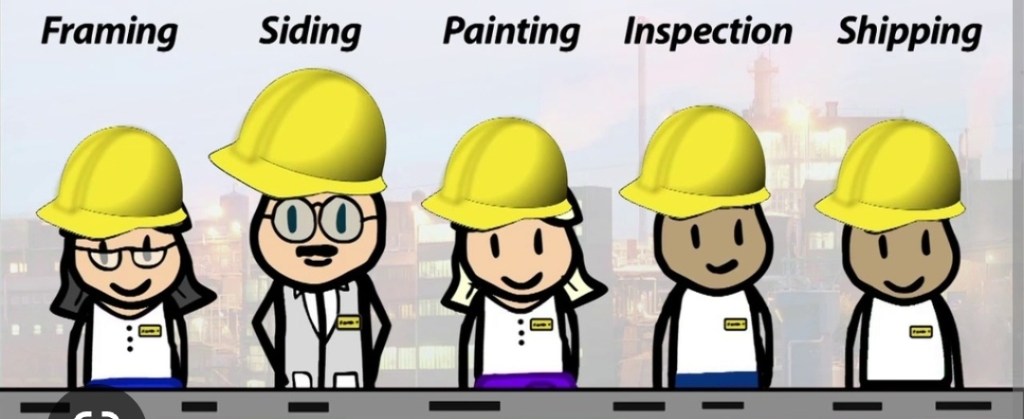
-Rotating tasks can be beneficial for workers in industries like shipping and construction. When each job is performed by a different employee, fatigue is less likely.
4) Plan of Action For Procurement
-Although job rotation might help prevent this issue in the future, staff turnover can still cost a business time and money. The less urgent it is to fill a vacancy when an employee quits the organisation, the more adaptable the employees are.
Disadvantage :
1) Can Invest A Lot Of Money And Time
-Employee training is by no means a cheap endeavour. In reality, businesses frequently spend thousands of dollars—and even months—training new hires. Work rotation will result in increased training costs and time, therefore businesses must take this into account.
2) Employees could put in worse work
-It should be mentioned that not every employee will benefit from work rotation. There might not be people who are performing their tasks more effectively, yet other individuals may be successful and at ease in their existing positions. Being required to switch occupations may make some individuals less motivated to learn new skills, which could have an impact on their performance and overall satisfaction as an employee.
American Approach: Specialization in a certain area
Advantage :
2) Risk reduction
-The advantage of work specialisation is that it lowers your chance of error. You have mastery over the duties involved in a certain work function when you are specialist in that activity. You will be saving your employer time and money by decreasing the likelihood that mistakes will be made.
3) Increased spirit
-The raised level of employee morale is a further benefit of job specialization. If you work in a setting where there are many specialist personnel, you may have observed that they frequently form a cohesive team. You might experience less work-related stress if there is more morale and the assistance of other committed workers.
3) Task abilities
-Being highly proficient in a particular work function is perhaps the most obvious benefit of job specialisation. You can hone your talents and improve as a worker by concentrating your career in a certain area of expertise. You may profit from a high expectation of employment stability as a result of task efficiency.
4) Faster transitions between tasks
-The less duties you are in charge of, the more skilled you are. If you excel at this task, you will inadvertently consider ways to quicken your workflow.

Disadvantage :
Specialization can oversimplify tasks, leading to burnout and boredom. Employees will feel tired in doing repetitive things. Absenteeism rates may increase. This strategy leads to unhappiness, low employee morale, and poor quality work.
My opinion
In my opinion, the way of specialization depends more on the type of company because different companies will need different ways or benefits of specialization. However to large manufacturing companies specialized work will be preferred. Specialized work will allow staff to improve their experience and skills in a particular area. It can help staff make decisions more efficiently and effectively. Through experience, staff can help the company make the most appropriate decisions and achieve the company’s goals. Compared to rotating jobs, companies can save resources in providing training programs if companies use specific work policies.
 My Eportfolio